CBAM Electricity.
Ready for Verification.
Virtu Energy prepares renewable electricity transactions for CBAM verification — from generation and metering to MWh allocation and EU import.
Electricity Expertise
Built Around CBAM.
Virtu Energy is a specialist electricity advisory platform focused on CBAM Electricity Pre-Verification, MWh traceability and verification readiness.
We connect the technical, physical, contractual and market evidence behind an electricity transaction — from the renewable generating installation and metering systems to schedules, settlement, buyer allocation, EU import and independent verification.
Our role is not simply to check whether documents exist.
We assess whether the complete electricity transaction can be reconstructed, reconciled and supported by consistent source evidence.
Electricity Engineering
Generating installations, technical boundaries, grid connections, generation and settlement meters, SCADA, PPC/EMS and operational data.
Electricity Markets
Scheduling, nominations, balancing, cross-border transactions, physical delivery, metered quantities and settlement.
CBAM Verification Readiness
Evidence mapping, MWh traceability, allocation control, reconciliation, evidence repositories, pre-verification and verification readiness.
Green Electricity
Is Only the Beginning.
Renewable electricity entering EU-related supply chains needs more than a green certificate.
A Guarantee of Origin or renewable claim may confirm an attribute of the electricity, but it does not by itself establish the complete technical, physical and contractual history of the MWh being claimed.
A credible CBAM electricity transaction needs consistent evidence across three connected layers.

Technical Evidence
- Generating installation
- Technical boundaries
- Grid connection
- Generation meters
- Settlement meters
- SCADA
- PPC / EMS
- Production data
- Availability data
Physical & Market Evidence
- Scheduling
- Nominations
- Balancing arrangements
- Metered quantities
- Cross-border delivery
- Physical delivery
- Settlement records
- Market transactions
Commercial & CBAM Evidence
- PPAs
- Supply contracts
- Trading agreements
- Guarantees of Origin
- Relevant registries
- Buyer allocation
- EU importer / CBAM declarant documentation
- Verification evidence
One MWh.
One Evidence Chain.
From Green Claim to Verification-Ready Electricity.
Every claimed MWh must resolve to one named installation, one qualifying contractual chain, one accepted physical schedule, one EU importer/declarant, one controlled allocation and one independent verification conclusion.
Virtu establishes and tests the evidence chain behind the electricity transaction.
One Controlled Evidence Chain.
CHAIN

Generating Installation
Defined installation, technical boundaries and grid connection.
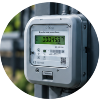
Metering & SCADA
Generation, settlement and supporting operational data.

PPA / Contractual Route
Contractual chain from producer through to the EU importer.

Scheduling & Nominations
Schedules and nominations supporting the transaction.

Physical Delivery
Cross-border delivery, balancing and physical-flow evidence.

Settlement & Reconciliation
Reconciliation of generation, schedules and settlement records.

Controlled MWh Allocation
Claimed MWh connected to the correct buyer and transaction.

EU Buyer / Importer / Declarant
The downstream party relying on the supporting evidence.

CBAM Evidence File
Structured technical, operational and commercial evidence.

Independent Verification
The downstream formal verification process.
Building Verification-Ready Electricity.
Virtu works upstream of formal independent verification.
We identify, organise, reconcile and test the evidence behind CBAM-related electricity transactions before it reaches the EU importer, CBAM declarant or independent verifier.
Installation Qualification
Evidence Mapping
- SCADA
- PPC / EMS
- Generation meters
- Revenue and settlement meters
- Production records
- Availability data
- Schedules
- Nominations
- Balancing data
- Settlement records
- PPAs
- Supply contracts
- Trading agreements
- Guarantees of Origin
- Registry information
- Buyer allocations
- Importer documentation
Contractual Chain Review
Renewable Producer → Supplier → Trader → Buyer → EU Importer / CBAM Declarant
The objective is to confirm that the contractual route supports the electricity transaction being claimed.
Physical Flow Review
- schedules
- nominations
- balancing arrangements
- cross-border transactions
- physical delivery
- metered quantities
- settlement quantities
MWh Allocation Control
All-in-one review.
- quantity reconciliation
- buyer attribution
- transaction-level traceability
- generation-to-allocation consistency
- duplication risks
- double-counting controls
CBAM Evidence Repository
- source traceability
- data retention
- document version control
- change-control procedures
- reconciliation records
- allocation records
- transaction audit trail
- pre-verification findings
CBAM Electricity
Pre-Verification.
Pre-verification is designed to identify gaps and test the electricity transaction before formal independent verification begins.
Pre-verification prepares the transaction and supporting evidence for formal independent verification.
It does not replace the independent verification process.
Installation Qualification
Define the generating installation, measurement boundaries, grid connection and operational data sources.
Evidence Mapping
Identify and connect the technical, operational, market and contractual evidence relevant to the transaction.
Contractual Chain Review
Establish the complete commercial route from producer to buyer and EU importer.
Physical Flow Review
Reconcile generation, schedules, nominations, delivery and settlement evidence.
MWh Allocation Control
Connect the claimed MWh with the correct transaction and buyer while controlling duplication and double counting.
CBAM Evidence Repository
Structure the relevant source records into one controlled verification file.
Pre-Verification
- data completeness
- consistency
- traceability
- quantity reconciliation
- source reliability
- contractual continuity
- physical-flow support
- allocation controls
- documentation gaps
Verification Readiness
Prepare the evidence package for the:
- EU importer
- CBAM declarant
- industrial buyer
- relevant counterparty
- independent verifier
One Evidence Chain. Different Responsibilities.
Virtu supports the key participants across an EU-facing renewable electricity transaction: Renewable Electricity Producers, Electricity Traders & Suppliers, Industrial Buyers, and EU Importers & CBAM Declarants.
Turn Renewable Generation Into a Verification-Ready Product.
The producer is the starting point of the electricity evidence chain.
For solar, wind and hydro producers selling electricity into EU-related supply chains, Virtu assesses whether the generating installation, metering system, operational data and contractual documentation can support the electricity claimed by the final buyer or importer.
What We Review
- generating installation identity
- technical boundaries
- generation meters
- settlement meters
- SCADA records
- PPC records
- grid connection documentation
- production data
- availability data
- scheduling arrangements
- balancing arrangements
- PPAs
- supply contracts
- Guarantees of Origin
- related registries
- data retention
- change-control procedures
- buyer allocation
- transaction allocation
Renewable Electricity Evidence Repository
The producer establishes a central evidence structure connecting the technical and commercial history of each relevant MWh.
Producer Outcome
A structured, controlled and pre-verified evidence system designed to support electricity sales to traders, industrial customers and EU importers.
Preserve the Evidence Chain Through the Transaction.
Electricity trading introduces additional contractual, scheduling and allocation layers between the renewable generator and final buyer.
For CBAM-related electricity transactions, those layers need to remain traceable.
What We Review
- producer contracts
- supplier agreements
- PPAs
- trading agreements
- schedules
- nominations
- balancing arrangements
- settlement records
- cross-border transactions
- metered quantities
- Guarantees of Origin
- buyer allocation
- data reconciliation
- double-counting controls
MWh Traceability
The central question is straightforward:
Virtu reconciles the producer's generation evidence with trading documentation, schedules, nominations, settlement quantities and buyer allocations.
Trader & Supplier Outcome
A controlled transaction file capable of demonstrating:
- who generated the electricity
- who purchased it
- how it moved through the contractual chain
- how it was scheduled
- how it was settled
- who ultimately received the claimed MWh
Buy Electricity With Evidence, Not Only a Green Claim.
Industrial companies increasingly need renewable electricity evidence that can withstand procurement, sustainability, carbon-accounting and regulatory scrutiny.
A certificate alone may not demonstrate the complete physical and contractual history of the electricity purchase.
Buyer-Side Review
Virtu assesses whether the supplier can provide a coherent evidence package connecting the purchased electricity with:
- a named generating installation
- generation records
- metering records
- contractual chain
- physical schedules
- delivery evidence
- settlement evidence
- MWh allocation
- Guarantees of Origin, where applicable
- CBAM-related supporting documentation
Procurement Controls
The strongest evidence chain starts with the contract.
Pre-verification requirements can be built into:
- electricity procurement requirements
- PPAs
- supply agreements
- supplier documentation obligations
- data-access provisions
- metering requirements
- allocation requirements
- evidence-retention procedures
Industrial Buyer Outcome
A structured MRV and evidence file supporting the renewable electricity purchase and providing stronger documentation for downstream review and verification.
Build the Evidence Chain Before Formal Verification.
The EU importer or CBAM declarant sits at the end of an evidence chain that may originate with a renewable generating installation outside the European Union.
Weak upstream documentation becomes an importer-side verification risk.
Importer-Side Evidence Chain
Pre-Verification Gateway
Before the evidence package is submitted for independent verification, Virtu tests whether:
- the installation is clearly identified
- technical boundaries are defined
- measurement points are defined
- quantities reconcile
- contracts support the claimed transaction
- scheduling evidence is available
- physical delivery can be supported
- settlement records are consistent
- MWh allocation is controlled
- double-counting risks are addressed
- documentation is traceable to original sources
- document versions and changes are controlled
- the evidence repository is suitable for verifier review
Importer Outcome
A structured upstream evidence package designed to reduce:
- verification gaps
- additional document requests
- reconciliation problems
- unclear allocation
- missing source documentation
- late reconstruction of the transaction
Is Your Electricity Transaction Verification-Ready?
Verification readiness depends on whether the key relationships behind the claimed MWh can be supported and reconciled.
Installation
Is the generating installation uniquely identified?
Metering
Are generation and settlement meters clearly defined?
Can generation be reconciled with metering records?
Contract
Does the contractual chain support the claimed electricity transaction?
Scheduling
Are schedules and nominations available and consistent with the transaction?
Physical Delivery
Can the relevant physical and cross-border delivery records be supported?
Settlement
Do metered quantities and settlement quantities reconcile?
Allocation
Is the claimed MWh allocated to a specific buyer and transaction?
Double Counting
Are duplication and double-counting risks controlled?
Traceability
Can every conclusion be traced back to its original source record?
Verification Package
Can the complete evidence package be presented to the EU importer, CBAM declarant or independent verifier?
Understanding the Market Behind the MWh.
Electricity evidence cannot be reviewed independently of the market through which electricity is scheduled, traded, delivered and settled.
Virtu combines CBAM pre-verification with electricity-market understanding across the full transaction context.

SEE Electricity Markets
Understanding regional electricity-market structures, trading environments and their relationship with EU markets.
Balancing
Understanding deviations, balancing arrangements and the operational context behind the transaction.
Scheduling & Nominations
Connecting contracted electricity with scheduled and nominated quantities.
Metering & Settlement
Reconciling operational, metered and settlement quantities.
CBAM & Power Trading
Understanding how CBAM requirements affect EU-facing renewable electricity transactions, evidence obligations and transaction structures.
Cross-Border Electricity
Reviewing the commercial and physical context of cross-border electricity transactions.
Electricity Evidence Requires Electricity Expertise.
Virtu Energy combines electricity-specific technical understanding, market context and source-based evidence controls to support verification-ready electricity transactions.
Electricity-Specific
Virtu focuses on electricity transactions rather than generic sustainability documentation.

- Focused on electricity transactions
- Electricity-market context built in
- Evidence structured around electricity reality
Technical + Market
Engineering, operational and metering data are reviewed together with scheduling, trading, balancing and settlement records.
- Integrated technical and market review
- Full transaction context
- Scheduling, balancing and settlement aligned
Transaction-Level Traceability
The methodology follows the claimed MWh through the complete physical and commercial transaction.
- End-to-end MWh traceability
- Physical and commercial evidence connected
- Conclusions tied to supporting records
Controlled Allocation
MWh allocation is reconciled at transaction and buyer level, with controls against duplication and double counting.
- Controlled buyer attribution
- Transaction-level reconciliation
- Double-counting controls
Verification-Oriented
The evidence structure is built around the requirements of downstream buyers, EU importers, CBAM declarants and independent verification.
- Built for downstream verification
- Evidence gaps identified upstream
- Aligned with importer and declarant needs
Source-Based
Findings are designed to remain traceable to original technical, operational, market and contractual records.
- Traceable to original records
- Source-based technical and market evidence
- Clear audit trail
Virtu Energy — SPV brand of Clarion Engineer


From Fragmented Data to a Controlled Evidence Package.
Electricity transaction data is often distributed across plant systems, meters, market records, contracts and counterparties.
Virtu brings these elements into one controlled review structure.
A documented connection between the generating installation, transaction and final allocation.
A clear record of missing, inconsistent or unsupported evidence.
A framework connecting generation, metering, scheduling, settlement and allocation quantities.
Controlled attribution of electricity to individual buyers and transactions.
A clear path from findings and conclusions back to the original source records.
Defined procedures for maintaining and updating relevant evidence.
A structured history of the technical, physical and commercial transaction.
Documented findings identifying evidence strengths, weaknesses and required actions.
A structured evidence package prepared for downstream importer, declarant or independent-verifier review.
The central repository connecting the technical, operational, market and commercial evidence behind the claimed MWh.
Verification Readiness Should Begin Before the Transaction Is Complete.
Trying to reconstruct an electricity transaction after delivery can create missing records, unclear allocation and reconciliation problems.
CBAM readiness is stronger when evidence requirements are established upstream — before electricity is sold, allocated or exported.
Plan
Define evidence requirements before electricity is sold, allocated or exported.
Control
Connect metering, contracts, scheduling and allocation into one controlled evidence chain.
Export
Deliver verification-ready electricity supported by traceable source evidence.
Pre-Verify. Control the Evidence. Sell Verification-Ready Electricity.
Fewer evidence gaps and fewer verification surprises.
Stronger readiness for EU-facing renewable electricity transactions.
Verification-ready electricity becomes a stronger commercial product.
Clearer records, faster reconciliation and better downstream readiness.
Start a Pre-Verification Review.
Tell us where you are in the electricity transaction and what evidence is currently available.
CBAM & Electricity Intelligence.
Analysis of CBAM, electricity markets, cross-border flows, power trading and EU-facing electricity transactions.
Questions We Address Before Verification.
Practical questions around MWh traceability, transaction evidence and verification readiness.
Are a PPA and Guarantees of Origin sufficient to support the claimed electricity transaction?
They may form important parts of the evidence package, but the wider chain may also require installation, metering, scheduling, physical delivery, settlement and MWh allocation evidence.
How can MWh traceability be maintained when electricity is traded through a power exchange?
The assessment focuses on whether available market, contractual, scheduling, settlement and allocation records can preserve a defensible link between the generating installation and the claimed transaction.
How is cross-border delivery evidenced when capacity is allocated through implicit market coupling?
Where a conventional explicit nomination trail is not available, the relevant market-coupling, scheduling, cross-border, settlement and allocation records need to be assessed together to determine what physical-flow evidence can be supported.
How is MWh allocation controlled when generation is distributed across multiple buyers or transactions?
Generation, metered quantities, contractual volumes, schedules, settlement quantities and buyer allocations are reconciled to test whether the claimed MWh is uniquely attributable to the relevant transaction.
Do differences between generated, metered, scheduled and settled quantities create a verification gap?
Not necessarily. The key question is whether those differences can be reconciled through source records while maintaining a consistent evidence chain through to final allocation.
How is traceability preserved across producers, suppliers and multiple traders?
Each transfer needs sufficient contractual and transaction evidence to maintain continuity between the original generation, subsequent market transactions and the final claimed allocation.
Does evidence of renewable generation establish that the same MWh supports the EU transaction?
Not by itself. Evidence of generation establishes the source, while transaction-level traceability must establish the connection between that generation and the MWh claimed by the relevant EU importer or declarant.
How are duplication and double-counting risks tested across contracts, allocations and Guarantees of Origin?
Relevant quantities, contractual records, buyer allocations and registry evidence are reviewed together to identify overlapping or unsupported claims.
Can an evidence chain be reconstructed after the electricity has already been delivered?
It can be assessed retrospectively where sufficient original records remain available, but missing source data, unclear allocations or incomplete transaction records may limit what can be supported.
What determines whether an electricity transaction is ready for independent verification?
The central test is whether the claimed MWh can be consistently supported from the named generating installation through metering, contractual chain, scheduling, physical delivery, settlement and controlled allocation to the relevant EU importer or declarant.
Green Electricity Is the Claim.
Evidence Makes It Verifiable.
Prepare the transaction, control the evidence and resolve verification gaps before formal review.